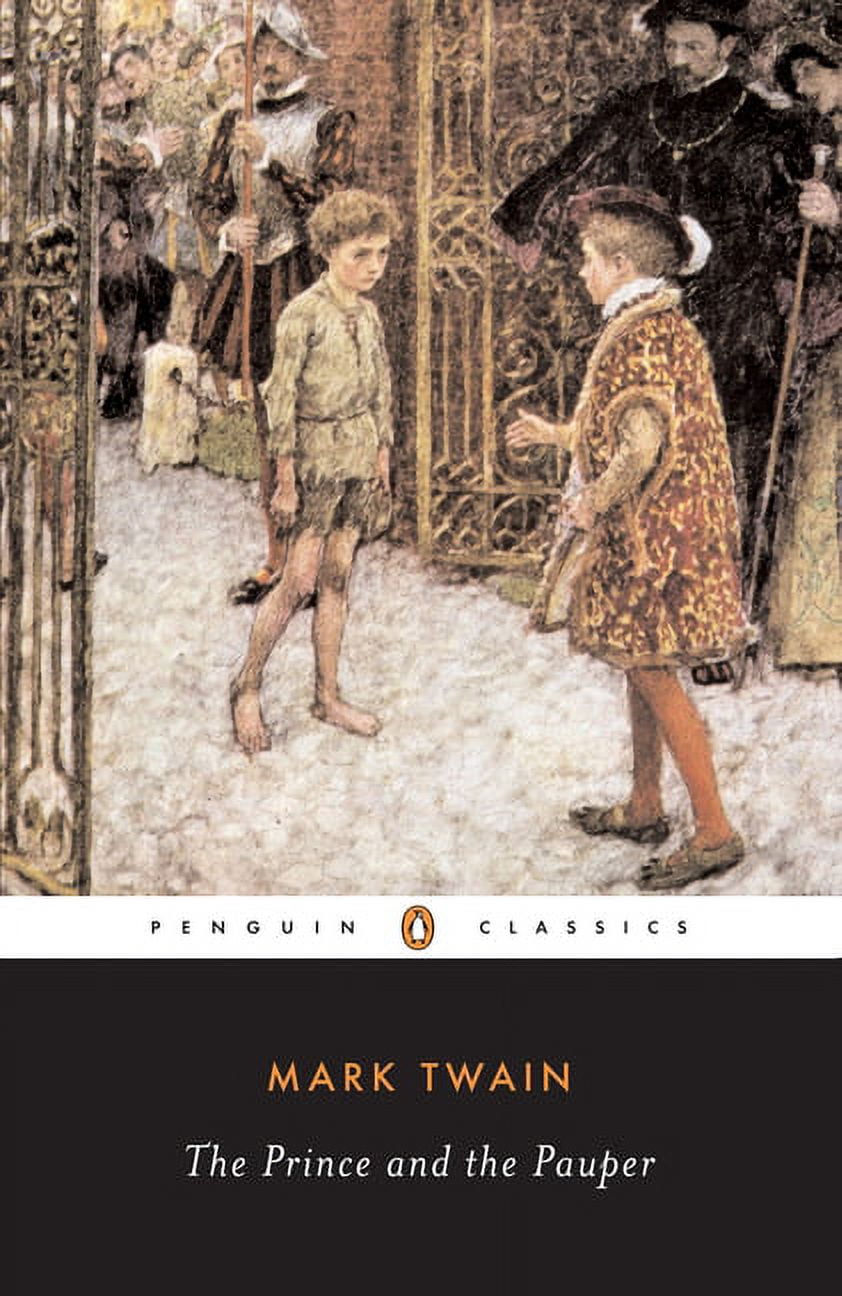
"The Prince and the Pauper" by Mark Twain is a classic novel that tells the story of two young boys who switch places and experience each other's lives. Set in 16th century London, the book explores themes of identity, social class, and the arbitrariness of hereditary nobility. Twain's writing style is engaging and keeps readers glued to the pages. The story is filled with depth, humor, and historical research, making it a recommended read for everyone.
While most people are familiar with the basic premise of the story, Twain's original version offers more depth and complexity. The book is intended as a fable, highlighting the flaws and limitations of hereditary nobility and monarchy. Twain incorporates biting and hilarious scenes, but fails to fully explore his own theme in the resolution. Despite this, the story is still worth reading as it raises thought-provoking questions about social systems and appearances.
Some readers found the book confusing at times, particularly in distinguishing between the prince and the pauper. However, they appreciated the lessons and insights the story offered. The prince's journey of discovering the hardships faced by others and realizing the privileges of his own life resonated with many readers. Overall, the book is more suited for elementary or middle school students, but can still be enjoyed by adults and teens.
Despite its familiarity in popular culture, Twain's "The Prince and the Pauper" offers a more nuanced and darker reflection on society. The novel critiques the imbalance of power between ordinary people and authority, the fallacy of judging others based on appearances, and the idea that the grass is always greener on the other side. As with all Twain novels, there is humor throughout, albeit at a slower pace compared to his other famous works. The book may benefit from some editing to trim down the repetitive rants by the prince, but ultimately, it is a worthwhile read.
While "The Prince and the Pauper" may have an exciting premise and keep readers engaged, some found the ending disappointing. They felt that the story could have been more powerful if the boys had failed to prove their true identities, with the pauper remaining king and the prince becoming a pauper. Despite this, the novel still offers an enjoyable adventure and poses its fair share of excitement.
Overall, "The Prince and the Pauper" is a classic tale that showcases Twain's genius as a writer. It combines depth, humor, and historical research to create a compelling story that explores themes of identity, social class, and the limitations of hereditary nobility. While it may have its flaws, the novel is worth reading for its thought-provoking content and engaging storytelling.